CCTV & Site Technology
Featured News
IP Cameras vs Thermal Imaging for Commercial Sites: What UK Buyers Should Prioritise in 2026
IP Cameras vs Thermal Imaging for Commercial Sites: What UK Buyers Should Prioritise in 2026
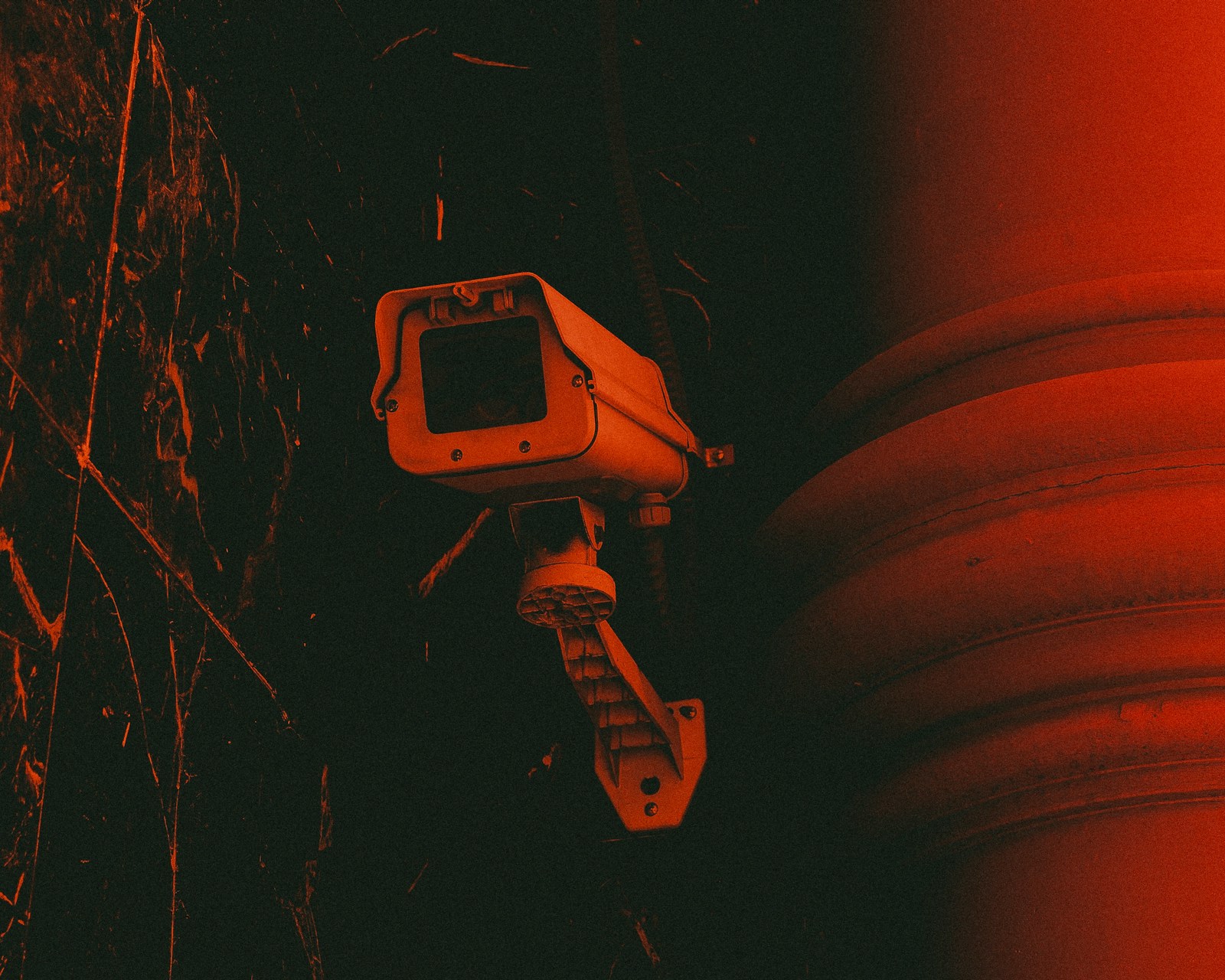
IP Cameras vs Thermal Imaging for Commercial Sites: What UK Buyers Should Prioritise in 2026
If the goal is clear evidence, people and vehicle identification, and day-to-day incident review, IP cameras are usually the stronger choice.
If the goal is early detection across large, dark or exposed areas, thermal imaging often adds more value.
For many commercial sites, the best answer is not one or the other. It is a layered setup where each technology handles a different part of the risk.
Why this matters now
Commercial buyers are being asked to make faster decisions about CCTV, perimeter visibility and remote oversight, often while balancing privacy, budget, standards and operational risk.
That is exactly where camera choices can go wrong.
A strong specification should not start with resolution or brand. It should start with the site. What needs to be detected. What needs to be identified. What needs to be evidenced. And what needs to be reviewed later if something goes wrong.
The ICO video surveillance guidance is a good starting point because it makes clear that surveillance should be planned around a defined purpose and used in a way that stays proportionate.
Before specifying cameras, many sites should begin with a Security Risk Assessment so the final system reflects real exposure rather than assumption.
The short answer
Choose IP cameras when the priority is:
facial or vehicle identification
evidential image quality
monitoring entrances, loading areas and internal circulation routes
incident review in well-lit or controllable environments
flexible integration with monitoring platforms and access control
Choose thermal imaging when the priority is:
long-range detection
perimeter monitoring in low light or no light
early visibility across wide, open or exposed spaces
spotting movement before a person reaches the building line
reducing reliance on lighting alone in external areas
Choose both when the site needs:
detection first, identification second
layered security across the perimeter and inner zones
stronger out-of-hours coverage
better control across construction, logistics, waste or large commercial estates
Where IP cameras are usually the better fit
IP cameras are still the backbone of many commercial CCTV systems because they are strong at capturing usable detail.
That matters on sites where image quality, playback, zoom, audit trails and incident review are central to the operational need. Entrances, receptions, vehicle gates, corridors, warehouse doors, service yards and loading bays are all typical IP camera zones because they involve movement that must often be verified later.
The recommended standards for the surveillance camera industry are useful here because they point buyers toward the standards that matter for installation, operation and monitoring rather than reducing the conversation to camera spec sheets.
For many sites, this is also where 4K CCTV enters the discussion. Higher resolution can be useful, but only when it supports the actual objective. If the goal is wide-area overview, 4K on its own will not fix poor positioning, weak lighting or missed blind spots. Resolution helps, but placement matters more.
Commercial teams reviewing an upgrade path can pair that planning work with CCTV Monitoring and Installation so the system is built around evidence, reporting and coverage rather than just hardware.
Where thermal imaging earns its place
Thermal imaging becomes more valuable when the site is large, exposed, dark or operationally difficult to light consistently.
That is especially true for external perimeters, boundary lines, open yards, compounds, waste environments, infrastructure zones and sites where early detection matters more than immediate identification. Thermal cameras can spot heat signatures in conditions where visible-light cameras may struggle, which is why they often sit further out in the security model.
The NPSA CCTV guidance makes clear that video surveillance supports detection and alarm verification, and it specifically addresses thermal imaging as part of a wider security system rather than a standalone fix.
For perimeter-heavy sites, the NPSA guidance on CCTV for perimeter security is particularly useful. It highlights the role of thermal imaging in combination with analytics and structured perimeter design, which is far closer to how serious commercial deployments should be planned.
This is often where external sites benefit from combining cameras with Mobile Patrol Services, especially when the risk profile changes by time of day or by area of the site.
Where wireless security cameras fit, and where they do not
Wireless security cameras are attractive because they sound quick to deploy and easy to scale.
Sometimes they are.
They can work well for temporary coverage, interim site changes, short-term access control points or isolated zones where running cable is difficult and the risk is limited.
But large commercial buyers should be careful not to overuse them in environments that need constant uptime, stable bandwidth, reliable power management and strong cyber hygiene. Wireless systems can be useful, but they are not automatically the best fit for every site, especially where evidence quality and resilience are non-negotiable.
In other words, wireless security cameras are a deployment option, not a strategy.
Does 4K CCTV always add value?
Not always.
4K CCTV can be helpful where detail capture really matters, especially for entrances, tills, gates, vehicle interfaces and other points where image review may support investigations or claims. But 4K should not be treated as a shortcut to good surveillance.
A poorly positioned 4K camera still gives poor results.
For commercial sites, the better question is not “Should the cameras be 4K?” but “Which zones need identification-grade detail, and which only need detection or overview?”
That is how better systems are usually designed: by matching image quality to operational purpose.
How cloud surveillance, AI video analytics and facial recognition should be approached
These technologies can be valuable, but they raise the standard for governance.
Cloud surveillance can improve remote access, resilience and multi-site visibility when it is planned properly. AI video analytics can help with intrusion detection, queueing, line crossing, loitering, object left behind and other rules-based triggers. But both only add value when false alarms, workflows and escalation paths are thought through in advance.
Facial recognition technology sits in a more sensitive category. The ICO guidance on FRT and surveillance makes clear that organisations need to be especially careful with legal basis, necessity, proportionality and accountability when facial recognition is part of the proposal.
For most commercial buyers, that means AI video analytics may be a practical next step. Facial recognition technology often needs a much higher level of justification.
What different site types usually need
Offices and mixed-use commercial buildings
IP cameras are normally the priority because access points, receptions, shared circulation areas and delivery interfaces usually need identifiable footage and strong incident review.
Construction sites
A combination often works best. Thermal imaging can help with exposed boundaries and out-of-hours movement, while IP cameras cover gates, compounds and internal zones. For wider operational support, link this planning with Construction Site Services.
Waste and recycling environments
Thermal imaging can become more valuable where open yards, low-light areas and wider perimeters create detection problems for standard visible-light cameras. Supporting controls should also reflect the site’s operational pressure points, which is where Waste Site Services can sit alongside surveillance planning.
Retail and high-footfall sites
IP cameras usually lead because evidential quality, entry monitoring and incident playback matter more than long-range heat detection.
Logistics yards and external compounds
A layered model is often strongest: thermal imaging for early detection across the perimeter, IP cameras for gates, loading areas and confirmatory review.
What to ask before buying anything
A stronger procurement process usually starts with these questions:
What is the exact purpose of the system in each zone?
Where is detection enough, and where is identification required?
Which areas are poorly lit, physically exposed or difficult to patrol?
Will this site benefit from thermal imaging, visible-light cameras, or both?
Does wireless deployment solve a real constraint, or is it just being used for convenience?
Which areas genuinely need 4K detail?
Will analytics reduce workload, or only generate more alarms?
Is the privacy impact proportionate to the site risk?
Are monitoring, reporting and incident retrieval built into the design?
Can the system still make sense six months from now if the site changes?
The practical recommendation
For most commercial sites, the best buying decision is not “IP camera or thermal imaging?”
It is:
use IP cameras where detail, evidence and day-to-day review matter most
use thermal imaging where early detection across dark or exposed areas matters most
use 4K selectively, not everywhere
use wireless cameras where the deployment case is strong, not by default
use analytics to support operators, not replace clear system design
That approach is easier to defend, easier to scale and usually much more effective in practice.
Final thought
The sites that get the best value from surveillance technology are rarely the ones with the longest equipment list.
They are the ones that understand the difference between detection, verification and evidence.
That is the real decision. Once that is clear, IP cameras, thermal imaging, wireless deployment and 4K resolution all become much easier to use properly.